How Metabolism Really Works — And Why It Slows After 30
Learn the science behind metabolism, why it slows after 30, and the research-backed strategies that actually support healthy metabolic function.
METABOLISM
Gendrelly
2/1/19012 min read
When we hear the word "metabolism," we often think of that one friend who can eat anything without gaining a pound. But metabolism is far more than just a weight-management tool—it is the chemical engine that powers every single cell in your body.
At Gendrelly, we believe that understanding how your body converts fuel into energy is the first step toward lasting vitality. Let’s dive into the science behind the spark.
What Exactly is Metabolism?
Metabolism refers to the complex chemical processes that occur within your body to maintain life. It is generally divided into two main categories:
Anabolism: The process of building and storing (e.g., growing new cells or storing energy for later).
Catabolism: The process of breaking down molecules (e.g., digesting food to release energy).
The rate at which your body performs these tasks is known as your Metabolic Rate.
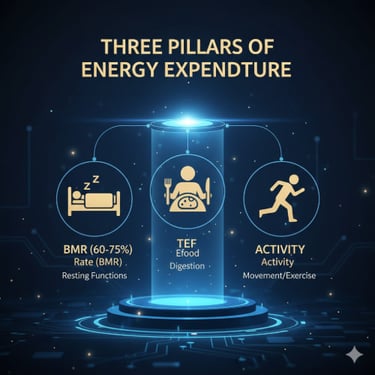
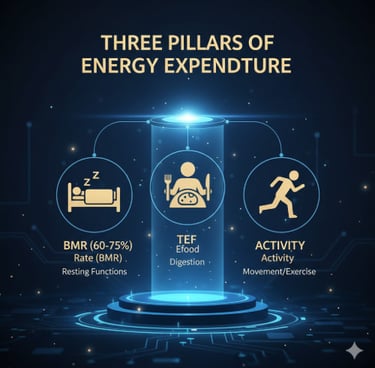
The Three Pillars of Energy Expenditure
Your body burns calories in three primary ways. According to research from the Cleveland Clinic, these pillars include:
Basal Metabolic Rate (BMR): This is the energy your body needs just to stay alive—keeping your heart beating, lungs breathing, and brain functioning while at rest. It accounts for about 60–75% of your total daily energy burn.
Thermic Effect of Food (TEF): Did you know you burn calories just by eating? Your body requires energy to digest, absorb, and process nutrients.
Physical Activity: This includes everything from a high-intensity workout to simply fidgeting or walking to the mailbox.
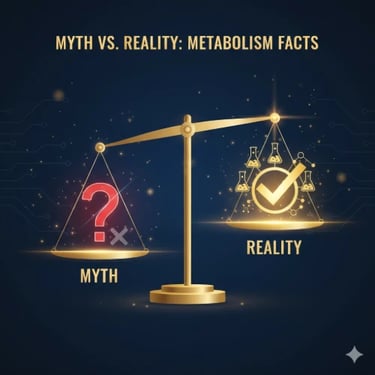
Common Myths vs. Research-Backed Facts
In the world of wellness, misinformation spreads fast. Here is what the research actually says:
How to Support Your Metabolic Health
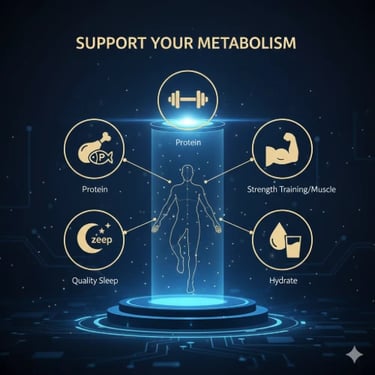
While genetics play a role, you have significant influence over your metabolic efficiency. Here are Gendrelly’s top research-backed tips:
1. Prioritize Protein
Protein has a higher thermic effect (TEF) compared to fats or carbohydrates. It also helps preserve lean muscle mass, which is metabolic gold.
2. Build Lean Muscle
Muscle is more metabolically active than fat. By incorporating strength training into your routine, you increase your BMR, meaning you burn more energy even while sleeping.
3. Don't Skimp on Sleep
Research from Stanford Medicine shows sleep deprivation disrupts hunger hormones like ghrelin and leptin.
4. Hydrate Strategically
Water is necessary for the chemical reactions of metabolism. Even mild dehydration can slow down your body's ability to process energy efficiently.
References
Cleveland Clinic - Metabolism Overview
Stanford Medicine - Sleep and Metabolic Health
Healthline - How to Boost Metabolism
Ready to take your metabolic health to the next level? If you’re looking for a proven way to support your body’s natural energy-burning processes, you don't want to miss this. Check out our exclusive Metabolism Hack Guide and discover how to optimize your results starting today.