

Metabolism slow after 30 is something many women notice but can’t fully explain — energy dips earlier, fat seems to settle differently, and the same diet and workouts stop producing the same results. Researchers point to five measurable shifts happening at the cellular level during this decade, starting with how efficiently your body converts stored fat into usable energy in the first place.

The 5 Biological Shifts That Explain Why the Old Rules Stop Working After 30
You are not imagining it. After 30, the body changes in ways that make the old rules stop working — and understanding why is the first step to doing something about it.
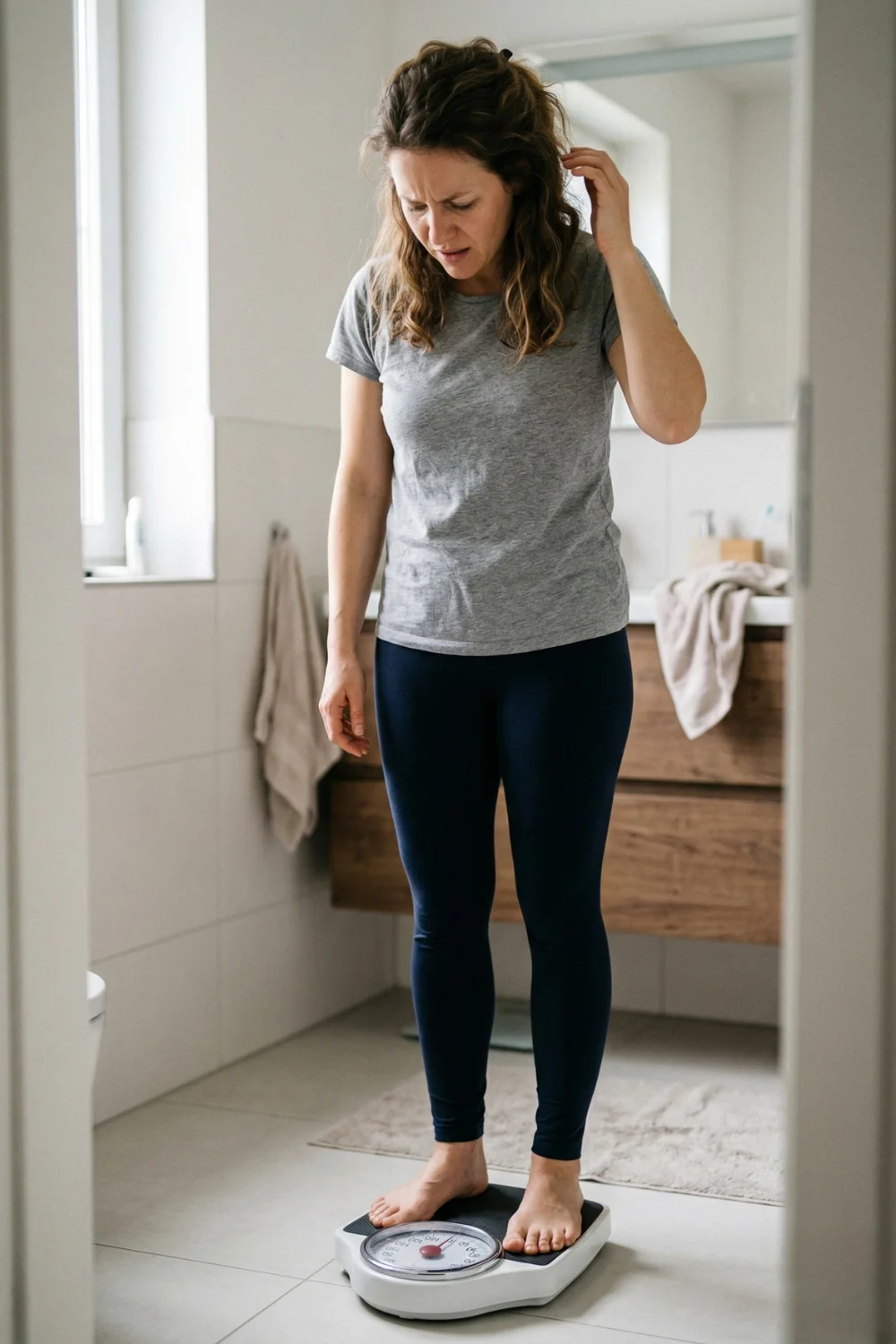
For millions of women, the frustration is the same: eating well, staying active, doing everything "right" — and still watching the scale creep up, energy drop, and fat become harder to shift than ever before.
The answer is not more willpower. It is biology — and biology can be supported.
The Numbers Behind the Shift
Metabolic slowdown after 30 is not a myth — it is a documented biological process. Here is what the research shows:
The key insight: metabolism does not just slow because of aging — it slows because of specific, identifiable biological changes. And that means those changes can be specifically targeted.
5 Real Reasons Metabolism Slows After 30
Most explanations stop at "you just get older." Here is what is actually happening inside your body:
Muscle Mass Quietly Disappears
Muscle is metabolically expensive — it burns calories even at rest. After 30, adults naturally begin losing muscle through a process called sarcopenia. Without deliberate resistance training, this loss compounds decade by decade, steadily reducing the body's baseline calorie burn.
Hormones Begin to Shift
Estrogen, progesterone, thyroid hormones, and growth hormone all begin to change in the 30s. These hormones regulate how the body stores fat, builds muscle, and converts food to energy. As they fluctuate, the metabolic environment shifts — often toward fat storage and away from fat burning.
Cellular Energy Production Declines
Mitochondria — the structures inside your cells that generate energy — become less efficient with age. Researchers associate this decline with lower energy levels, slower recovery, and reduced metabolic output. Less efficient mitochondria means the body struggles to convert food into usable fuel the way it once did.
Insulin Sensitivity Changes
The body's ability to manage blood sugar shifts with age. Reduced insulin sensitivity can lead to more glucose being stored as fat rather than burned as energy — even when diet has not changed significantly.
Daily Movement Drops Without You Noticing
Life in the 30s and 40s gets busier. Careers, relationships, and responsibilities quietly reduce the small daily movements — walking, standing, spontaneous activity — that once added up to significant calorie burn. This NEAT (non-exercise activity thermogenesis) drop can account for hundreds of calories per day.
Signs Your Metabolism May Be Slowing
These are not signs of laziness or lack of discipline. They are signs the body's internal environment has shifted:
- Gradual weight gain without significant changes to diet or activity
- Persistent fatigue — especially in the afternoon
- Difficulty losing fat even when eating in a calorie deficit
- Reduced muscle tone despite regular exercise
- Feeling colder than usual — a sign of slower metabolic heat production
- Cravings that feel harder to manage than they used to
These signs do not mean metabolism is permanently broken. They mean the body is signaling that its internal systems need a different kind of support than they did a decade ago.
What Science Says About Supporting Metabolism After 30
The foundation never changes — but it is no longer enough on its own for most women over 30.
Strength Training
Resistance training 2–4 times per week is the single most effective way to preserve and rebuild muscle mass — and with it, resting metabolic rate. This is non-negotiable after 30.
Adequate Protein
Protein supports muscle maintenance and has the highest thermic effect of any macronutrient — meaning the body burns more calories digesting it. Most women over 30 eat far less protein than they need.
Daily Movement Beyond Workouts
Walking more, taking stairs, reducing sitting time — non-exercise movement can account for 300–500 additional calories burned per day. It adds up faster than most people realize.
Sleep Quality
Poor sleep disrupts cortisol, leptin, and ghrelin — the hormones that regulate hunger, fat storage, and metabolic function. Even one week of poor sleep can measurably slow metabolic rate.
Stress Management
Chronic elevated cortisol signals the body to store fat — particularly around the midsection — and actively interferes with fat-burning hormones. Managing stress is a metabolic strategy, not just a wellness nicety.
The honest reality: most women doing all of the above still find their results plateau. That is when many start looking at what else can be done — specifically at the cellular level, where the real metabolic work happens.
The Part Most Advice Leaves Out: Brown Fat
Your Body Has a Built-In Calorie-Burning System — And It Slows With Age
Most people know about white fat — the kind that stores energy. Fewer people know about brown adipose tissue (BAT) — a different type of fat that actually burns calories by generating heat.
Brown fat is metabolically active. When it is working well, it contributes meaningfully to calorie burning and energy expenditure — independent of exercise.
The problem: research suggests BAT activity declines with age. For many women in their 30s and beyond, this internal calorie-burning system becomes less active — even when everything else is in place.
- Lower BAT activity = fewer calories burned at rest
- Less efficient energy use = more stored as fat
- This happens regardless of diet or exercise habits
This is why so many women feel like they are doing everything right — and still not seeing results that match their effort. The issue is not the habits. It is the internal system those habits depend on.
What Women Over 30 Are Discovering About Targeted Support
When women who have already optimized their lifestyle start researching what else they can do to support metabolism at the cellular level, the same pattern keeps showing up: the missing piece is rarely another diet change. It is something that works at a level diet and exercise cannot directly reach.
This kind of targeted support is positioned to work with the body's natural fat-burning and energy systems — including BAT activation and mitochondrial efficiency — in adults whose metabolism has shifted with age.
It is not a replacement for healthy habits. It is designed to support the internal systems those habits depend on — which is exactly the gap most generic advice leaves open.
What tends to stand out to women researching this is the specificity. Formulas built for a 25-year-old metabolism do not address the same biological landscape as one built for someone whose BAT activity and mitochondrial efficiency have already started to decline. That distinction is usually what separates genuine curiosity from skepticism.
Related Reading
A Slower Metabolism Is Not Your Fault — But It Is Your Opportunity
The biology is real. The shift is real. And fighting it with willpower alone is a losing battle for most women after 30.
The women who get results are the ones who understand what has changed — and address it at the right level. Habits matter. But so does the internal environment those habits operate in.
If you have been consistent and still not seeing results that match your effort, it may be time to look at what is happening at the cellular level.
P.S. The longer these internal systems go unsupported, the harder results become. Small adjustments made now — at the right level — can make a significant difference over the months ahead.
These statements have not been evaluated by the Food and Drug Administration. This product is not intended to diagnose, treat, cure, or prevent any disease. Individual results may vary. Always consult a qualified healthcare provider before starting any supplement regimen. This page contains affiliate links — if you purchase through them, we may earn a commission at no additional cost to you.