
Understanding how metabolism works is the foundation for supporting energy and metabolic health, especially for women over 30.

How Metabolism Works — And Why It May Feel Slower After 30
When we hear the word metabolism, we often think of that one person who can eat anything without gaining weight. But how metabolism works goes far beyond weight management — it is the chemical engine that powers every cell in your body.
Understanding how your body converts fuel into energy is the first step toward lasting vitality. And understanding why that process can feel different after 30 helps you decide what to do about it.
What Exactly Is Metabolism? How Metabolism Works in Plain English
Metabolism refers to the complex chemical processes that occur within your body to maintain life. It is generally divided into two categories:
- Anabolism — the process of building and storing: growing new cells, synthesizing proteins, storing energy for later use
- Catabolism — the process of breaking down molecules: digesting food to release energy, breaking down stored fat for fuel
The rate at which your body performs these tasks is your Metabolic Rate — and it is not fixed. It is shaped by your age, hormones, body composition, sleep, stress, and nutrition, and several of these factors can be influenced.
Metabolism is not something that simply happens to you — it is something your body actively does, in response to many signals, including food, movement, and sleep. Understanding those signals gives you more to work with.
How Metabolism Works: The Three Pillars of Energy Expenditure
According to Mayo Clinic, your body burns calories in three main ways. Knowing which one is largest helps you focus your effort.
BMR accounts for the largest share of your daily calorie burn and happens automatically. Muscle mass is a key factor in it, and hormones and sleep may also play a role.
Key insight: Workouts matter, but they are only part of the picture. Supporting what your body burns at rest, especially through muscle and sleep, is an important piece of how metabolism works day to day.
How Metabolism Works: Myths vs. What the Research Suggests
Eating much less always speeds up fat loss
Severe, long-term calorie restriction can lead the body to conserve energy (adaptive thermogenesis), which may make further weight loss harder.
Adequate nutrition helps protect lean mass
Eating enough protein and calories helps preserve lean muscle, which supports resting metabolic rate.
Metabolism is entirely genetic and fixed
Genetics influence baseline metabolic rate, but they are not the whole story.
Muscle, sleep and hormones all play a role
Muscle mass is a key factor in basal metabolic rate, and sleep quality and hormones also influence energy balance.
More cardio is the best way to boost metabolism
Cardio supports heart health and burns calories, but it does not build muscle the way resistance training does.
Strength training helps preserve muscle
Muscle built and kept through resistance training may help maintain resting calorie burn over time.
How to Support Metabolic Health: Four Practical Strategies
While genetics play a role, several everyday habits can influence how metabolism works for you. Here are four practical strategies:
1. Prioritize Protein
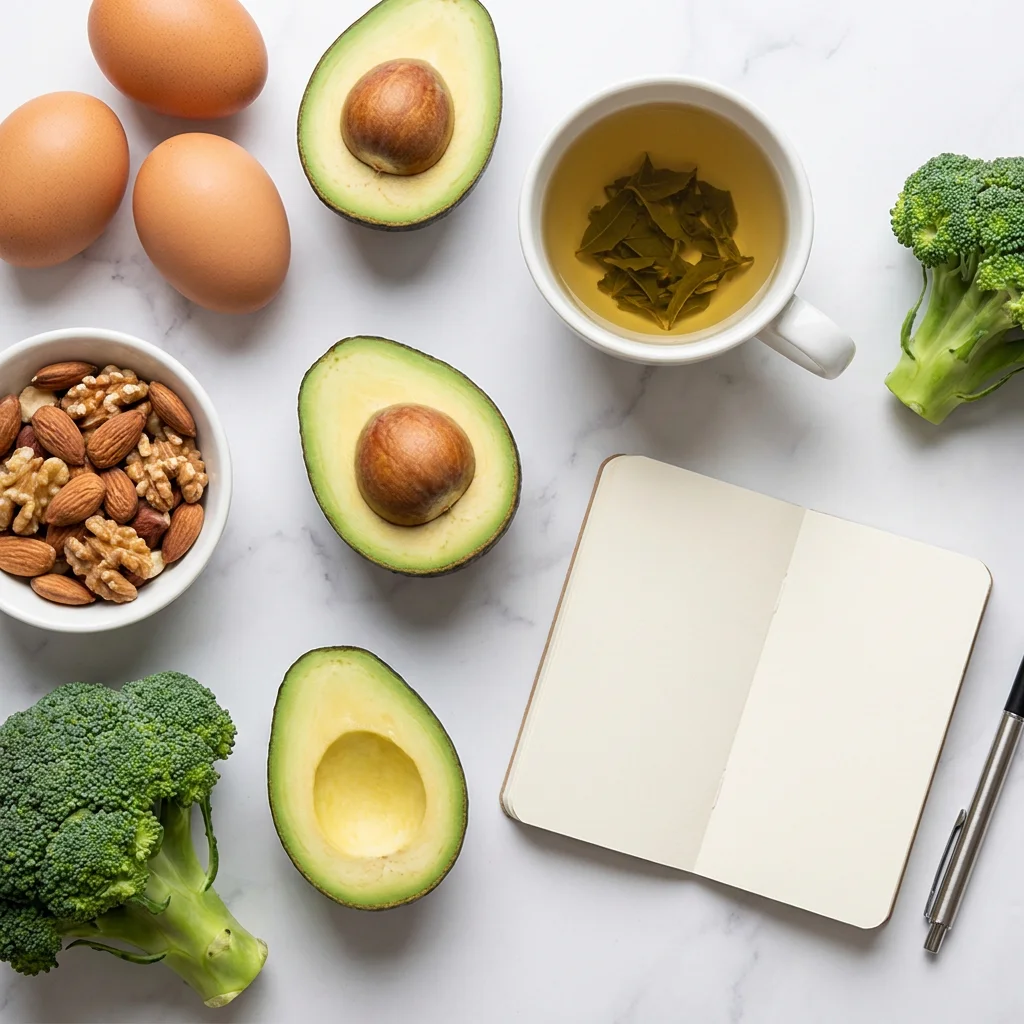
Protein has a higher thermic effect (TEF) than fats or carbohydrates, meaning your body uses more energy to digest it. It also helps preserve lean muscle mass, which is a key factor in resting metabolic rate. A registered dietitian or healthcare provider can help you choose a protein target that fits your body and health needs.
2. Build and Preserve Lean Muscle
Muscle is more metabolically active than fat, so it helps with resting calorie burn. Mayo Clinic notes that people tend to lose muscle with age, and that muscle mass is a key factor in basal metabolic rate. Regular strength training, often recommended a couple of times per week, is a practical way to help preserve muscle.

3. Protect Sleep Quality
Mayo Clinic says insufficient sleep can lead people to snack more and to eat and drink more calories. When you look at how metabolism works, sleep is a foundation, not an extra.
4. Hydrate Strategically
Water is necessary for the chemical reactions of metabolism, including energy production and cellular repair. Staying well hydrated supports those reactions. Drinking water through the day, including with meals, is a simple habit to build.
Why Metabolism May Feel Different After 30 — The Missing Context
Understanding how metabolism works matters, and so does knowing what may shift after 30. A large 2021 study in Science found that adjusted daily energy expenditure stays stable from ages 20 to 60 and then declines in older adults. That suggests the changes many people notice after 30 may be tied more to muscle, activity, sleep, and stress than to a sudden drop in metabolism.
Biological Shifts That May Change How Metabolism Works
The four strategies above are foundational. After 30, several gradual changes may also affect energy and body composition:
- Muscle loss tends to begin gradually with age. The Menopause Society says women naturally lose muscle mass at a rate of 3% to 8% per decade after age 30, and muscle mass is a key factor in BMR
- Hormones shift around midlife. The Menopause Society says that during menopause, estrogen levels drop, which encourages the body to store fat in the abdomen
- Chronic stress matters too. Mayo Clinic notes that stress can change the way your body functions in ways that lead to weight gain
- Everyday movement can fade. Mayo Clinic says many people become less active as they age, and Mayo Clinic notes that non-exercise activity accounts for about 100 to 800 calories used daily
This is one reason habits that worked in your 20s can feel less effective later — and why understanding the full picture of how metabolism works helps you make informed decisions about support.
Related Reading on How Metabolism Works
Knowing How Metabolism Works Is the First Step — Acting on It Is the Next
Metabolism is not a fixed trait you are born with. It is a dynamic system influenced by food, movement, sleep, stress, and, for some women, targeted support.
For women over 30, understanding what may be changing in the body can make your effort more focused. The foundation is here. The next step is applying it.
P.S. If you want the complete guide to applying what you learned here — including a closer look at a citrus morning ritual — read the Metabolism Hack Guide.
This content is for informational purposes only and does not constitute medical advice. Individual results may vary. These statements have not been evaluated by the Food and Drug Administration. This product is not intended to diagnose, treat, cure, or prevent any disease. Always consult a qualified healthcare provider before beginning any supplementation program. This page contains affiliate links — if you purchase through them, we may earn a commission at no additional cost to you.